

PRODUCT CENTER
CONTACT US
If you are interested in cooperation, please contact us immediately, we will give you feedback as soon as possible!
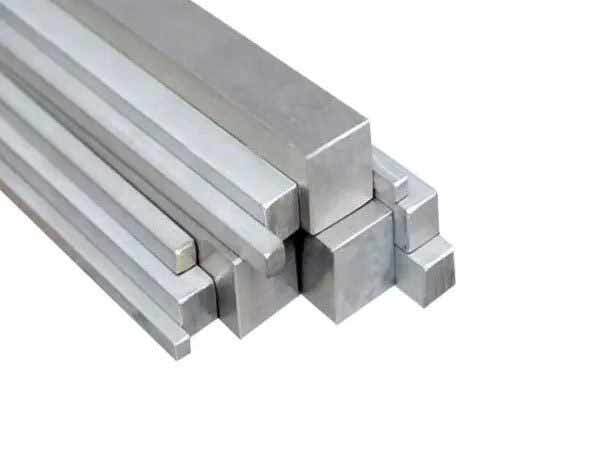
Common materials for square steel bars include carbon steel, alloy steel and stainless steel.
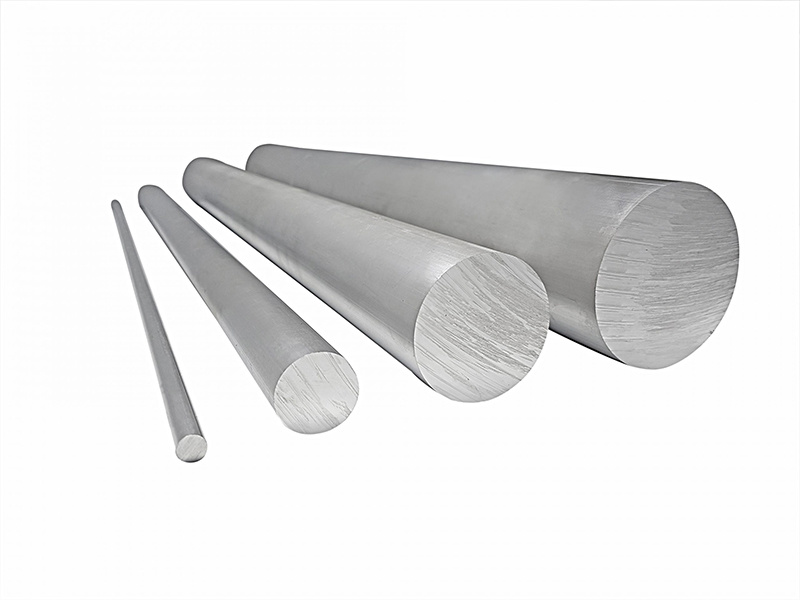
Aluminum bar is a high strength heat treatable alloy. It has extremely high strength and resistance to spalling corrosion and stress corrosion cracking. Widely used in aerospace, mold processing, mechanical equipment, fixture and other fields. As a supplier of aluminum alloy bars, we have sufficient inventory, so we can quickly ship according to customer's demand. The company has automatic cutting machine, plasma cutting machine and other deep processing equipment. Aluminum bar specifications can be processed and cut according to customer needs.
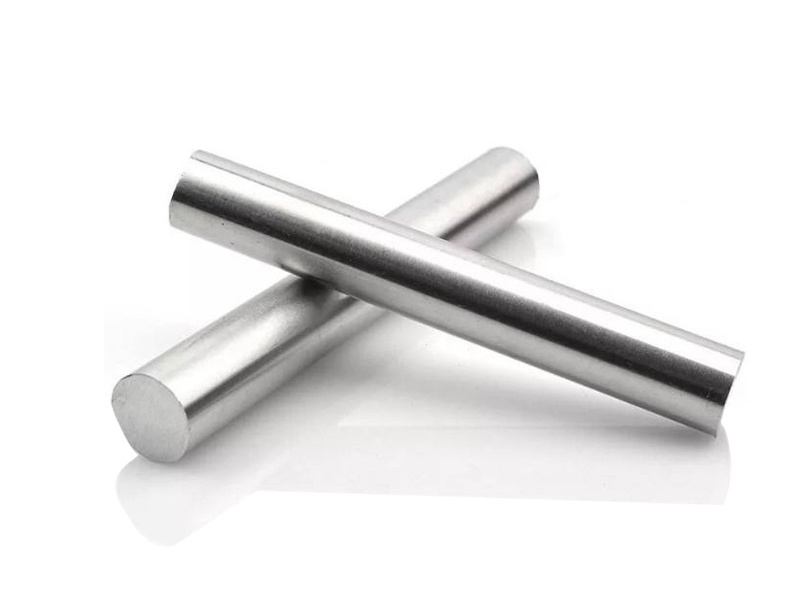
Stainless steel bars are made of stainless steel ingots through hot rolling or forging. According to different classification standards, stainless steel bars can be divided into many categories: round steel, square steel, flat steel, hexagonal steel and octagonal steel.
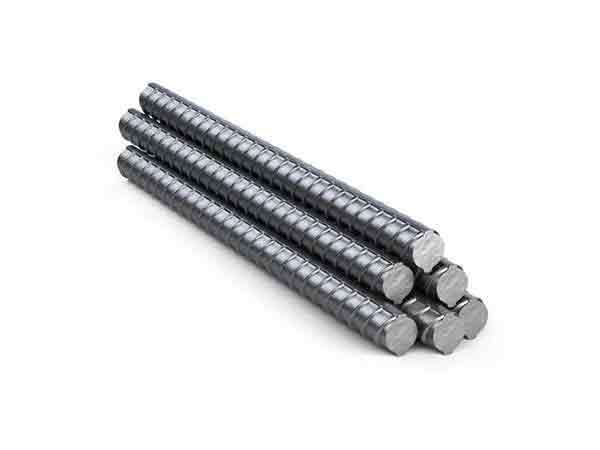
According to the use of rebar classification, divided into ordinary reinforcement and concrete special reinforcement. According to the appearance of the points, divided into with reinforcement and light round reinforcement
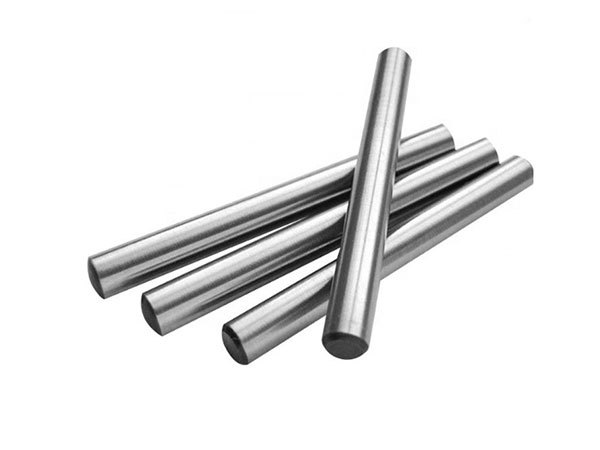
Round steel is divided into hot rolling, forging and cold drawing. Carbon steel can be divided into low carbon steel, medium carbon steel and high carbon steel according to chemical composition.

Cold-rolled Ribbed Steel Bar Mesh
Cold-rolled ribbed steel bar mesh is a high-performance reinforcing mesh product manufactured by automatic resistance spot welding, using CRB550, CRB600H cold-rolled ribbed steel bars as raw materials. It features uniform mesh size, stable welding quality, high tensile strength and excellent bonding performance with concrete.

Hot-rolled Ribbed Steel Bar Mesh
Hot-rolled ribbed steel bar mesh is fabricated by automatic resistance spot welding with HRB400, HRB500 hot-rolled deformed steel bars as raw materials. It features high strength, stable mechanical properties, strong grip with concrete, and reliable structural performance.

Cold-drawn Smooth Steel Bar Mesh
Cold-drawn smooth steel bar mesh is made by automatic spot welding with high-quality cold-drawn plain steel bars. It has a smooth surface, uniform mesh size, stable structure and high dimensional accuracy.
CONTACT US
Tel : +8613953124054
WhatsApp : +8613953124054
Email : nucorsteel@nucorsteel.cn
Company Address : Room 2301, Unit 1, Building 1, Fortune One Plaza, Huaiyin District, Jinan City, Shandong Province
Factory Address : Huitong logistics park, Liaocheng, Shandong.


GET A FREE QUOTE
Copyright : Nucor Steel (Shandong) Co., Ltd.
